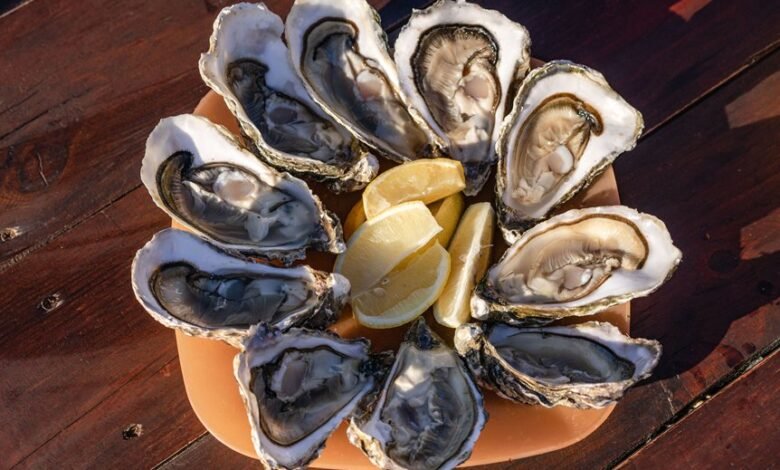
Oyster shells, or οστραγκον, are more than waste byproducts; they record growth, health, and environmental conditions through their mineral composition and structure. Their calcium carbonate boosts soil pH, improves structure, and enhances nutrient availability. Practical uses span pathways, crafts, and culinary applications, while responsible sourcing ensures ecological and ethical considerations. The full spectrum of benefits invites closer examination of how these shells support ecosystems and human activities, with practical choices guiding sustainable use.
What Oyster Shell Is and Why It Matters
Oyster shells are the hard, calcium-carbonate exoskeletons produced by bivalve mollusks; they serve as both protection and a record of the oyster’s growth.
The discussion outlines oyster shell composition, emphasizing mineral content and structure, and explains how shells offer insight into age, health, and environmental conditions.


Shell restoration strategies preserve integrity, supporting ecosystem functions and sustainable resource use.
Soil and Garden Benefits of Oyster Shell
Soil health benefits from incorporating oyster shell arise from its high calcium carbonate content and other trace minerals, which can alter soil pH, improve structure, and support plant nutrient availability. Oyster shell acts as a slow-release lime source, benefiting root growth and microbial activity. Recycling shell reduces waste, while using as a garden soil amendment supports sustainable cultivation and resilient soils.
Practical Uses: Pathways, Crafts, and Culinary Tips
Practical uses for oysters span pathways, crafts, and culinary applications, reflecting a combination of functional, decorative, and gastronomic value. Oyster shell safety informs material choices in garden paths and mosaics, while sourcing sustainability guides craft projects and seasonally inspired recipes. Careful reuse reduces waste, supports biodiversity, and demonstrates practical, evidence-based integration of natural byproducts into everyday design and cuisine.
Safe Handling, Sourcing, and Sustainability Considerations
Safe handling, sourcing, and sustainability considerations for oysters require careful attention to safety protocols, ethical procurement, and environmental impact. Strict hygienic standards ensure consumer protection, while traceable sourcing supports responsible fisheries and fair labor. What oyster shell is and why it matters: shells indicate species, origin, and freshness, guiding sustainable harvest and waste reduction. Overall, evidence-based practices promote informed, freedom-minded choices.
Frequently Asked Questions
Are Oyster Shells Acidic or Alkaline in Soil?
Oyster shells are alkaline when added to soil, raising pH. This reflects oyster shell chemistry; the resulting soil pH effects depend on buffering capacity and dosage, with gradual liming and careful monitoring recommended for precise cultivation goals.
Can Oyster Shell Improve Drainage in Clay Soil?
Oyster shells offer limited drainage improvement in clay soil; they form a coarse module but do not dramatically alter structure. Oyster shells drainage benefits exist as an amendment, though limited, within clay soil amendment strategies.
Do Oyster Shells Deter Pests or Wildlife?
Oyster shell pest deterrence shows limited or variable efficacy, with occasional abrasion-based discouragement for some ground-dwelling pests. Wildlife repellent efficacy is inconsistent, reliant on context and animal species; durable barriers often outperform shells for longer-term protection.
How Long Do Oyster Shell Amendments Last in Soil?
Oyster shell amendments generally persist for multiple years, with longevity varying by soil type and moisture. Oyster shell longevity affects soil amendment duration, shell pH effects, and landscape nutrient release, though effects diminish as materials weather and degrade over time.
Are There Safety Concerns When Cooking With Shells?
“It’s better safe than sorry.” Safety concerns when cooking with shells exist; handling and cleaning shells properly reduces risk of contamination, bacteria, and injury. Proper disposal and hygiene practices support freedom to enjoy seafood without unnecessary hazard.
Conclusion
Oyster shells are more than waste byproducts; they preserve ecological history and support healthy soils. They add calcium carbonate to raise pH, improve soil structure, and boost nutrient availability, while their dense calcium carbonate benefits mollusk health and reef ecosystems when reused responsibly. An intriguing stat shows oyster aquaculture can yield up to 85% calcium retention in coastal systems, underscoring their value. Proper collection, handling, and certified sourcing ensure sustainable reuse, contributing to biodiversity and waste reduction.