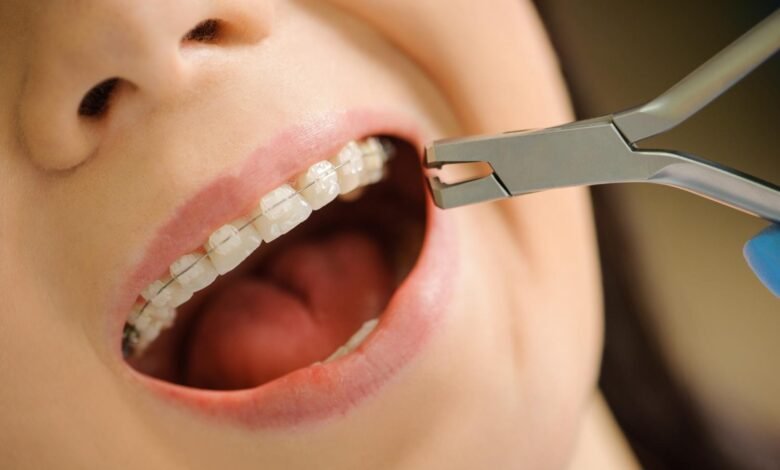
Receiving different orthodontic treatment estimates for what appears to be the same smile can feel confusing. One provider may recommend a treatment plan with a higher cost, while another offers a lower estimate for a seemingly similar result. This often raises questions about what actually influences pricing and whether all treatment plans provide the same value, especially when options such as ceramic teeth braces are part of the discussion.
The truth is that orthodontic treatment is about much more than straightening visible teeth. Every recommendation is based on factors such as diagnosis, treatment complexity, appliance selection, monitoring requirements, and long-term stability. Understanding these differences can help patients make informed decisions about their oral health and future smile.
The Smile You See Is Not the Full Picture
Many orthodontic concerns involve issues that are not immediately visible. During an examination, an orthodontist evaluates far more than tooth alignment.


Areas commonly assessed include:
- Bite relationships
- Jaw positioning
- Tooth movement patterns
- Existing dental work
- Long-term stability concerns
- Growth and development factors
Two patients may have smiles that look nearly identical, yet require completely different treatment approaches. This is one reason treatment plans often vary in cost.
For example, one patient interested in ceramic teeth braces may require only minor corrections, while another may need significant bite adjustments that increase treatment complexity.
Why Diagnosis and Planning Influence Treatment Value
A successful orthodontic outcome begins with a detailed evaluation. Before any appliance is selected, a significant amount of planning takes place behind the scenes.
This process may include:
- Digital scans
- Clinical examinations
- Diagnostic photographs
- Bite analysis
- Treatment simulations
These tools help create a detailed roadmap for treatment. The more complex a case becomes, the more planning is often required to achieve a stable result.
Even when two patients choose ceramic teeth braces, the amount of planning and supervision needed may differ considerably based on their individual needs.
Not Every Orthodontic Case Requires the Same Level of Care
A common misconception is that similar-looking alignment issues require the same treatment. In reality, orthodontic cases can vary greatly in difficulty.
One patient may need only minor adjustments, while another may require correction of underlying functional concerns.
Factors that can increase treatment complexity include:
- Severe crowding
- Rotated teeth
- Crossbites
- Deep bites
- Missing teeth
- Jaw alignment concerns
These differences often affect treatment duration, monitoring requirements, and appliance selection. Patients considering ceramic teeth braces may discover that their treatment costs differ because their clinical needs are not identical.
The Role of Materials in Orthodontic Treatment Costs
The materials used during treatment can also influence overall pricing. Orthodontic appliances are available in several forms, each designed to address different patient goals and treatment requirements.
Many adults prefer ceramic teeth braces because they offer a less noticeable appearance compared to traditional metal braces. The materials used to create these appliances contribute to their overall cost and appeal.
However, material choice is only one part of the equation. The treatment plan itself remains a significant factor when determining overall investment.
Why Ongoing Monitoring Matters
Orthodontic treatment is an active process that requires regular assessment. Teeth respond differently to movement, making routine monitoring an essential part of care.
Regular appointments help the orthodontist:
- Track treatment progress
- Evaluate tooth movement
- Address concerns early
- Make necessary adjustments
- Support long-term stability
The amount of supervision included in treatment can vary from case to case. Patients wearing ceramic tooth braces often require the same careful monitoring as those using other orthodontic systems to help maintain progress throughout treatment.
A treatment plan focused on function, stability, and long-term oral health can provide meaningful value beyond the initial investment at Textbook Orthodontics.
Looking Beyond Convenience and Short-Term Savings
Choosing treatment based solely on cost may not always provide the full picture. Lower fees can sometimes reflect differences in planning, supervision, or treatment scope.
When comparing treatment recommendations, patients should consider:
- The thoroughness of the evaluation
- The complexity of their case
- Monitoring and follow-up requirements
- Long-term stability goals
- The treatment approach being recommended
Someone choosing ceramic teeth braces may find that costs vary because the treatment plans themselves are designed to address different concerns and objectives.
The Importance of Long-Term Results
Orthodontic treatment is about creating results that remain stable long after active treatment ends. Achieving lasting outcomes often requires detailed planning, retention strategies, and continuous assessment throughout the process.
Patients who select ceramic teeth braces frequently value both appearance and effectiveness, but long-term stability remains just as important as aesthetics.
A carefully designed treatment plan aims to protect both oral health and treatment results for years to come.
Conclusion
Different orthodontic treatment plans often carry different costs because every patient presents unique clinical needs. Factors such as diagnosis, treatment complexity, materials, monitoring, and long-term stability all contribute to the final recommendation.
Whether a patient is considering aligners, metal braces, or ceramic teeth braces, understanding the reasons behind treatment costs can make decision-making easier. Looking beyond the price alone provides a clearer understanding of the care, planning, and ongoing attention involved in achieving a healthy and lasting smile.