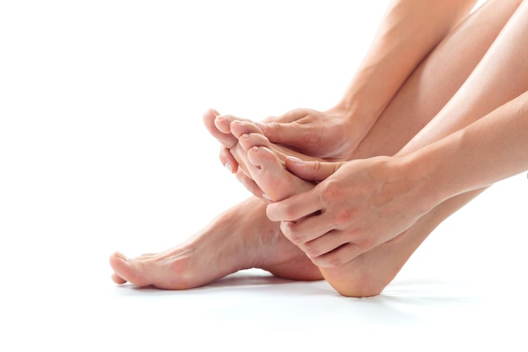
Most people who deal with tired, cramping, or sore feet have tried the obvious solutions: better shoes, arch insoles, foot baths. What fewer people have considered is whether a mineral deficiency is quietly making everything worse.
Magnesium’s role in muscle function is well established in the supplementation conversation. Less discussed is how a targeted foot cream with magnesium can address the issue at the specific site most people experience it.
Why Feet Are Particularly Vulnerable to Magnesium Deficit
The intrinsic plantar muscles, the flexors, the arch-supporting structures are small muscles that work continuously during standing and walking. They fatigue faster than larger muscle groups and are more susceptible to cramping when magnesium levels drop.


The feet are also the first place many people notice the effects of magnesium deficiency. Arch cramps, toe cramps and that twitchy sensation in the sole of the foot at the end of the day are all classic presentations.
See also: Cute:9exeteltpdm= Gacha Life
What Makes a Foot Cream With Magnesium Different
Standard foot creams focus on hydration and skin softening. These are useful but they are skincare products. A foot cream with magnesium includes the mineral as an active agent, not just a marketing addition. Products formulated for therapeutic effect contain meaningful concentrations of magnesium chloride specifically chosen for its transdermal absorption characteristics.
The Absorption Advantage of Foot Application
The soles of the feet may be one of the most effective skin surfaces for transdermal mineral absorption. While outer plantar skin is thick due to mechanical stress, the density of sweat glands and generally warmer tissue temperature after a day of activity creates conditions favorable for absorption.
Applying foot cream with magnesium after a warm foot soak takes advantage of this, the heat opens the skin and increases uptake of active compounds. Some practitioners recommend this specifically as an alternative to Epsom salt soaks.
Common Foot Complaints It May Help
The complaints most likely to respond to consistent application include: overnight foot cramping, particularly plantar and arch; the pulling sensation in the arch that worsens toward the end of the workday; generalized foot fatigue that does not resolve with rest alone and the restless, twitchy sensation in the feet and lower legs that can interfere with sleep.
None of these are guaranteed to resolve with topical magnesium alone and none should replace evaluation for structural issues like plantar fasciitis. But as an overlay to standard care, the intervention is low-risk and frequently helpful.
Prioritize magnesium chloride over magnesium sulfate in topical formulations chloride has better skin penetration in cream form. Look for a concentration in the product description rather than just an ingredient listing.
Building It Into a Routine
The most effective approach is nightly application right after showering, when the skin is warm and clean, before putting on socks or going to bed. Massage the cream into the arch, the ball of the foot and the toe bases where cramping starts.
Give it two minutes per foot. Within two to three weeks of consistent use, most people with magnesium-related foot symptoms notice a measurable change.
Final Thoughts
Foot cream with magnesium is not a gimmick when you choose the right kind. It is a targeted mineral delivery system for the part of the body that bears your full weight all day. For people dealing with plantar cramps, arch fatigue or persistent end-of-day aching that does not respond to stretching alone, it is one of the more sensible additions to a foot care routine.